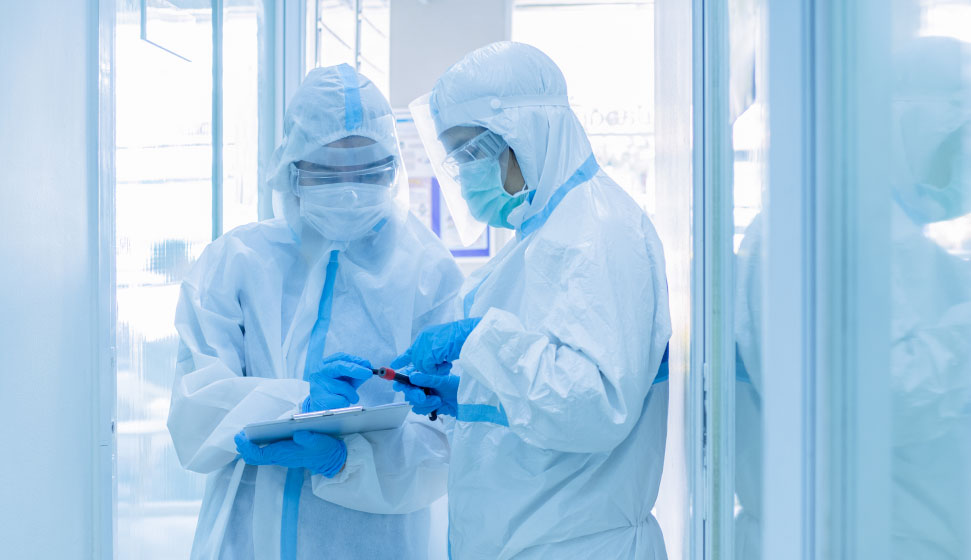
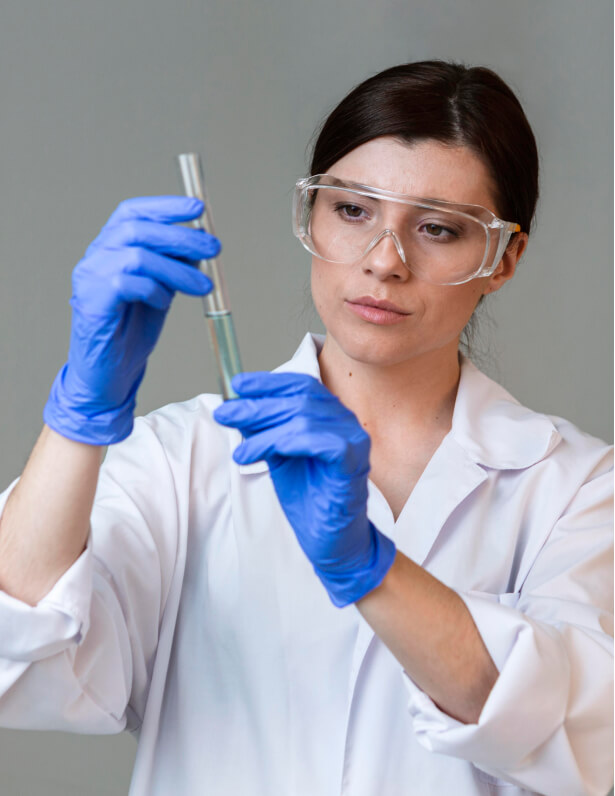
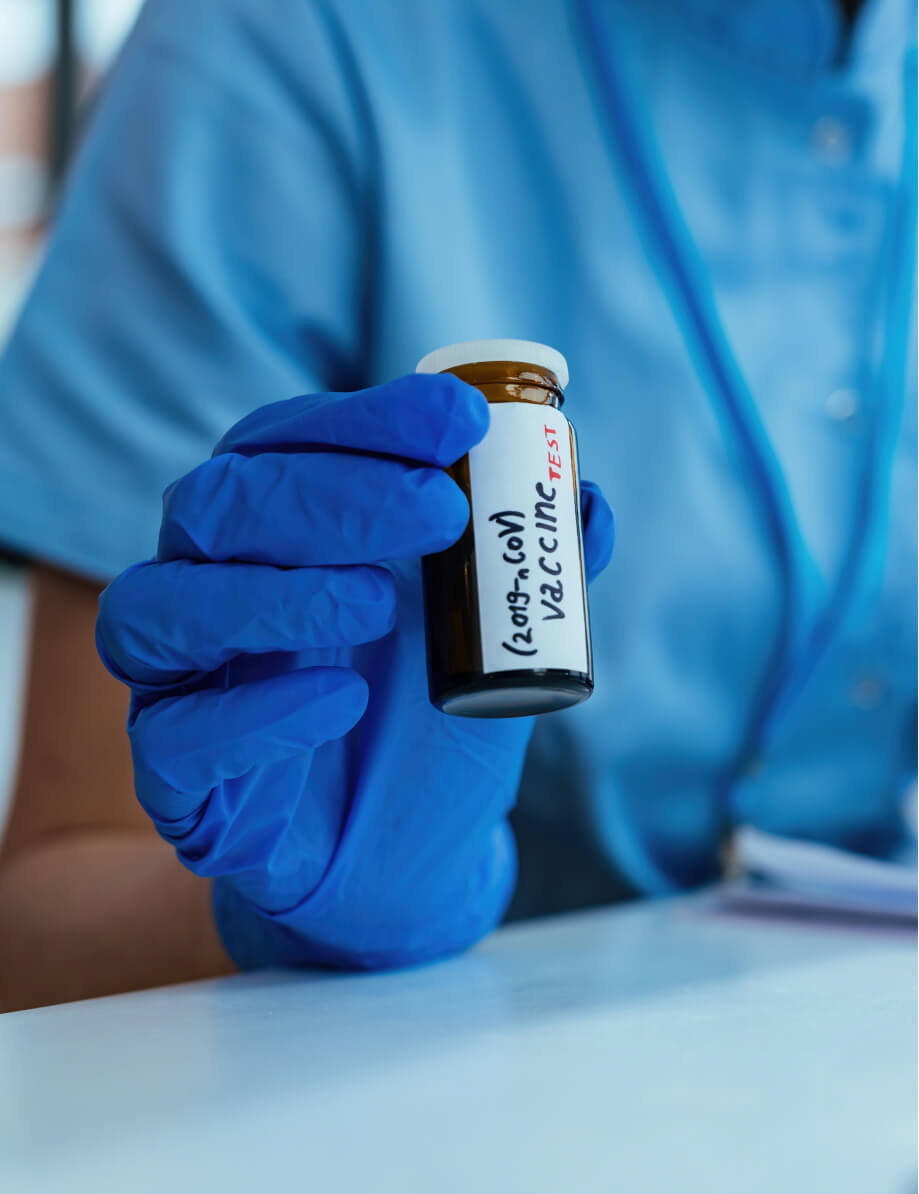
Have you ever experienced a situation in which a straightforward blood test identifies something significant before it blocks your arteries, such as high cholesterol? That is not by chance; typically, a reagent is doing the heavy lifting in the background. I started talking about this with a friend who works as a lab technician in a busy clinic. He talked about how these little bottles of chemicals act like secret agents in the lab, sneaking into samples and forcing diseases to come out. Reagents are more than just supplies in the field of medical pathology, which is all about decoding what makes us sick through tissues and fluids. They are the spark that transforms raw chaos into clear answers.
What Are Reagents in Medical Pathology?
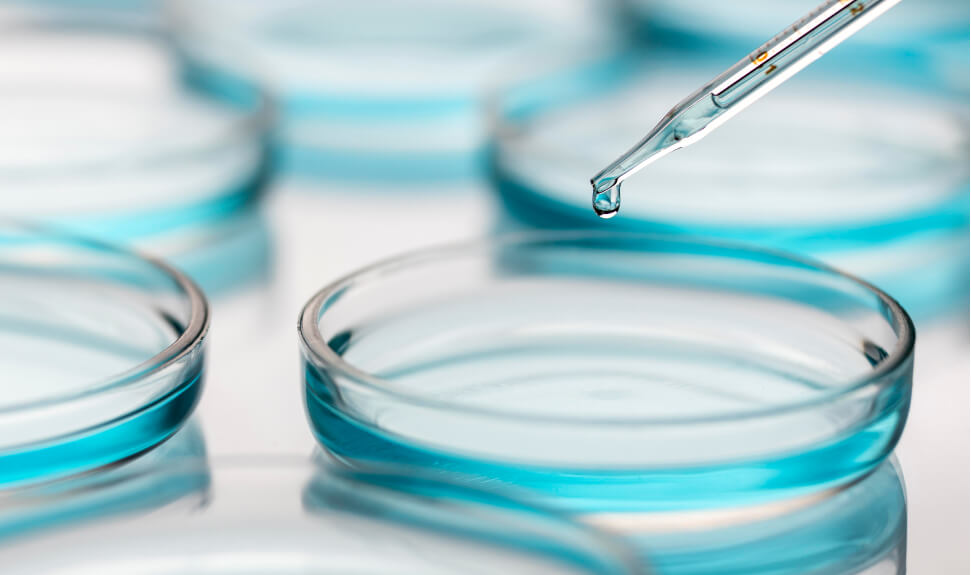
Okay, basics first: Picture a reagent as the instigator in a lab brawl. It’s a chemical you introduce to a patient sample blood, spit, a sliver of tissue and it provokes a reaction that’s easy to spot, like a sudden hue shift or a sparkle under UV light. In pathology, this lets docs hunt for culprits like rogue cells or viral bits without invasive digs.
These aren’t one-size-fits-all; labs pick by purity level, with top-shelf analytical grades for finicky work and tougher technical ones for bulk jobs. My lab friend swears by logging every batch says it’s like dating your tools to avoid surprises.
Everyday Heroes: Types of Reagents and Their Tricks in the Lab
Diversity is reagents’ jam. They tackle different angles of pathology puzzles. Quick hits on the main crews:
pH Tweakers (Acids and Bases): Stuff like muriatic acid or lye fine-tunes acidity to get reactions humming. Essential for softening tissues or balancing ion checks in blood—without ’em, samples stay stubborn.
Electron Shufflers (Oxidizers and Reducers): Peroxide or permanganate nudge breakdowns. That oldie-but-goodie Benedict’s turns peachy for excess sugar in pee, a diabetes red flag that’s saved countless toes.
Clumpers and Grabbers (Precipitators and Chelators): Nitrate salts solidify ions; EDTA latches onto toxins like mercury. In poison hunts, they’re clutch for pulling evidence from the muck.
Spotlighters (Indicators and Stains): Pink-turning phenolphthalein marks pH flips; Gram dyes badge bacteria blue or rose for quick bug IDs. They’re the visual flair in a grayscale world.
The Critical Role of Reagents in Diagnostic Processes
Reagents power the pathology engine, making tests from routine checkups to crisis calls reliable and rapid. They ensure reactions are predictable one drop, one telltale sign, and suddenly docs have a roadmap. No fluff: In a field where delays kill, that’s gold.
Think routine: Home glucose strips? Reagents dance with sugar for instant color reads. But they level up in the trenches.
Spotlight on Immunohistochemistry: Reagents as Tissue Detectives
IHC feels like tissue interrogation reagents, usually antibody squads, stick to suspect proteins and light up like Christmas trees under scopes. First, fixatives like formalin snapshot the scene; then blue hematoxylin sets the stage for those glowing tags.
Cancer ward staple: In breast cases, HER2 reagents highlight protein overloads, signaling if smart drugs like trastuzumab are a match. Fumble the reagents say, they’re off-potency and you get blurry intel, risking wrong calls. Smart labs counter with benchmark runs: Known “guilty” samples that must react true, keeping the chain tight. It’s turned gut-feel biopsies into slam-dunk verdicts.
Reagents in Molecular Pathology: Cracking the Genetic Code
Deeper still, molecular pathology plays DNA detective, and reagents orchestrate the plot. PCR’s the blockbuster: Heat-stable enzymes crank out gene copies, while probes flash on positives remember those early COVID nose-swabs? Pure reagent wizardry.
Oncology twist: They dissect mutations for bespoke therapies, slashing trial and-error. Capping reagents prevents runaway signals, nixing false positives. It’s flipped scripts outbreaks tamed quicker, patients pinned to perfect fits faster than ever.
Dedicated Professionals & Doctors Recommend Us
Dedicated professionals committed to providing you with accurate and reliable diagnostic services. Get patholab services today from the best lab experts & make a visit to our laboratory.
Quality Control and Safety Considerations for Reagents in Pathology Labs
Reagents are finicky friends brilliant when happy, disastrous when not. QC’s the daily ritual: Scrutinize incoming lots against standards, run blank tests to weed out gunk, and loop in outside checks to stay sharp. Variability’s the villain; one wonky calibration, and results wobble like Jell-O.
Safety? Labs treat it like a contact sport. Fumes from fixatives that burn your nose, solvents itching for a flame plus unfixed samples packing germs. Protocol’s king: Gear up with masks and shields, stash in climate-controlled spots, drill on spills. Waste? Segregated and gone, no traces. As my buddy puts it, “It’s boring till it’s not then it’s your shield.” Nail this, and you dodge drama, building bulletproof trust.
Future Trends in Reagents for Medical Pathology
Flash to October 2025: Reagents aren’t static; they’re syncing with lab evolutions like automation waves and AI smarts. Experts peg AI and bots as 2025’s headliners, streamlining reagent handling to zap errors and amp throughput. Data analytics? It’s pairing with reagents for predictive tweaks, spotting batch quirks before they bite.
Market’s on fire too the diagnostic reagents scene hits $66 billion this year, eyeing steady climbs through chronic disease booms and early-spot tech. Clinical chemistry reagents lead the charge, fueling quick chronic catches like diabetes or heart risks. North America’s reining the life sciences pot, but Asia’s surging with biotech bets.
Molecular stars like NGS kits are exploding, decoding genomes at warp speed for tailored pathology. FDA’s tightening on lab tests adds guardrails, pushing reagent reliability. Eco-push? Greener alternatives to harsh fixatives, cutting lab footprints. Supply kinks from past shakes linger, but resilient chains are the fix. Overall, reagents morph from bit players to AI allies, turbocharging precision care.
Wrapping It Up: Reagents, the Unsung Guardians of Health
Reagents in medical pathology? The gritty glue in diagnostics’ machine from tagging tissues to gene sleuthing, they’re the quiet force flipping fates. Vital, versatile, a touch volatile but that’s science’s thrill. As 2025 rolls out smarter labs, these basics keep us anchored.
What’s your brush with lab magic a test that changed your path? Vent in comments; I’m game. Hats off to the drops driving discovery.